Do the Schools in Gurugram Actually Deliver World-Class Sports and Performance Facilities
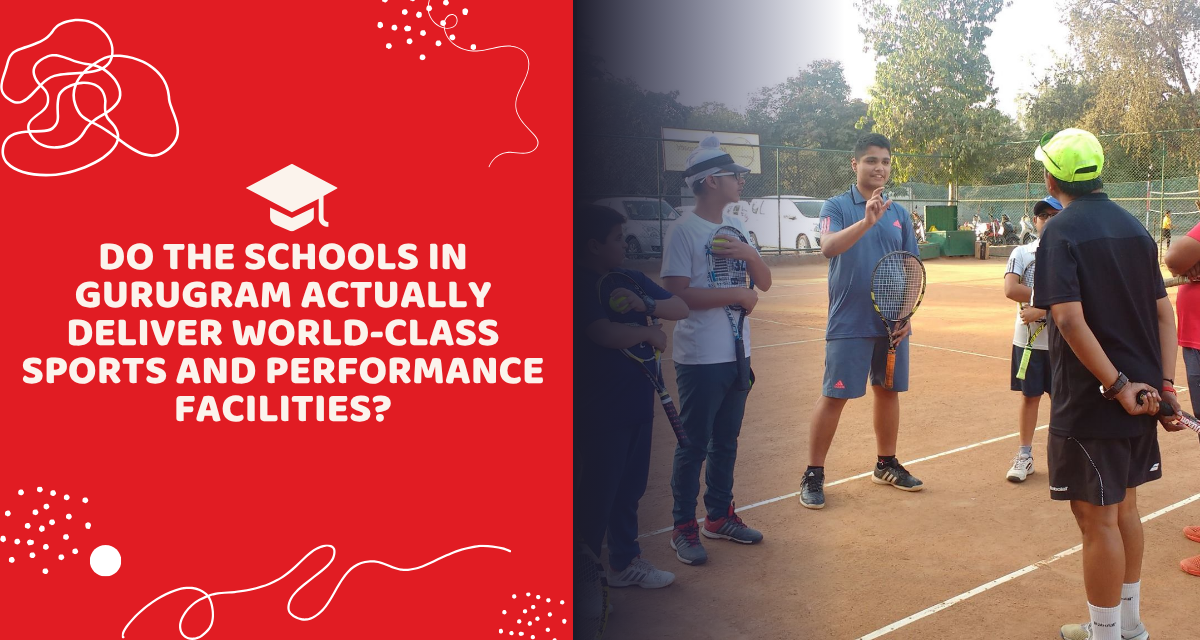
When parents search for schools in Gurugram, academic results tend to dominate the conversation. But look a little closer, and you will find that infrastructure, particularly in sports and performing arts, is quietly becoming the real deciding factor for families who want more for their children than examination scores. This blog takes an honest look at what separates genuinely committed school environments from those that simply claim the title, with attention to the physical spaces and programs that shape well-rounded, confident young people.
A school prospectus can promise almost anything. Walk through an actual campus, though, and the picture often tells a different story. For parents weighing their options among the schools in Gurugram, the physical environment, the condition of its grounds, courts, pools, and studios, offers one of the clearest signals of how seriously an institution takes the whole child.
Gurugram has grown into a serious educational hub. The city now hosts schools that genuinely compete nationally in terms of facilities. Its demographic mix of working professionals, returning NRIs, and globally mobile families has pushed institutions to raise their standards considerably. Yet a real gap still exists between schools that have invested thoughtfully in holistic infrastructure and those that continue treating sport and performance as nice-to-haves rather than core commitments.
Knowing what to look for and understanding why it matters helps parents make choices they feel confident about for years to come.
The Seven Pillars of Sports & Performance Infrastructure
Schools that genuinely invest in their students build environments where multiple disciplines coexist, complement each other, and are available consistently, not just on special occasions. Here is what the most credible schools in Gurugram typically offer, along with the right questions to ask when you visit:
- Football & Outdoor Sports Grounds
What to observe on your visit: Are the grounds maintained year-round, or do they become unusable after the monsoon? Is the coaching staff available daily rather than only during sports week?
- Swimming Pools & Aquatics Programs
- Tennis & Racquet Sports Courts
- Indoor Courts & Basketball Facilities
- Skating Rinks & Niche Sport Spaces
- Performing Arts Theatres & Music Studios
Strong performing arts infrastructure builds public confidence, collaborative instincts, and creative problem-solving. These are qualities that university admissions teams and employers increasingly recognise and value.
- Fitness Centres & Wellness Facilities
How Top Schools in Gurugram Compare: Facility Benchmarks
What Strong Coaching Culture Actually Looks Like
Facilities without coaching depth are, at the end of the day, expensive furniture. The schools in Gurugram that consistently produce athletes, performers, and physically confident young adults all share one important trait: they employ dedicated, qualified coaches rather than generalist PE teachers spread thin across every sport on the timetable.
Indicators of genuine coaching culture worth looking for:
Full-time coaches for at least three to four core sports, rather than visiting coaches available just once a week
Sport and physical education are integrated into the school timetable, not treated as an optional extracurricular add-on
Structured competitive pathways at inter-house, inter-school, district, and state levels that give students something real to work toward
Performance tracking in measurable disciplines like swimming and athletics, so students can see their own progress over time
Coaches who hold recognised qualifications from national sports bodies and continue their own professional development
Performing arts programs follow exactly the same logic. Schools that consistently produce strong drama and music output tend to employ faculty who are working or recently retired professionals in their fields, rather than subject teachers who also happen to run the annual play.
The ODM Approach: Where Facilities Meet Philosophy
At ODM International Group, the thinking behind school environments has been shaped by years of genuine experience working with students from diverse geographies and backgrounds. The core belief is a simple one: a child who moves well, performs with confidence, and looks after their physical health is far better placed to handle academic pressure and navigate social situations than one who has spent their school years largely sedentary.
This belief shapes real decisions about infrastructure. Facilities at ODM are designed as working spaces rather than showpieces. They see daily, purposeful use across multiple disciplines. Among the schools in Gurugram built with this intent, the outcomes show up not just on sports day but also in how students carry themselves, collaborate with peers, and recover from setbacks throughout the school year.
When a child competes seriously at a sport, stands on a professional stage, or begins to understand their own physical capacity through fitness training, they carry those experiences into every other part of their life. That transfer of confidence and self-knowledge is not a side benefit. It is the whole point.
Questions Worth Asking on Your School Visit
Parents touring schools naturally focus on classrooms, academic results, and teacher-student ratios. Sports and performance facilities deserve the same careful attention. Here are six questions that tend to reveal a lot about a school's actual priorities:
How many days per week does each student get dedicated sports time beyond the standard PE period?
What is the ratio of students to coaching staff in the sports the school is known for?
Is the swimming pool maintained and accessible year-round, or only during certain months?
Does the school stage a performing arts production each year, and are students across all year groups genuinely involved?
What are the most recent competitive achievements that students from this school have reached?
Is the fitness facility open to students, and is its use supervised by a qualified physical educator?
Schools that have made genuine investments in these areas tend to answer such questions with clarity and specific examples. Those who have not often respond with broad reassurances about holistic education, with little to back them up. The difference becomes obvious quickly.
Building the Whole Child: Why This Matters Now More Than Ever
University admissions processes, especially at international institutions and India's top universities, have shifted noticeably over the last decade. Academic grades still matter, but co-curricular depth, physical achievement, and demonstrated resilience are now assessed with far more seriousness. A student who has trained consistently in a sport, performed in a major production, or developed real physical literacy carries a distinctive profile that stands out.
Beyond admissions, the habits formed inside well-resourced school environments tend to stay with people. Students who learn to train, compete, recover, and perform under pressure during their school years are considerably more likely to maintain active, resilient lives as adults. The schools in Gurugram that invest seriously in these spaces are not simply offering a more enjoyable school experience. They are quietly shaping healthier, more capable people.
When infrastructure investment is paired with honest coaching philosophy and genuine integration into school life, it becomes one of the most meaningful contributions a school makes to its students' futures. For every parent, the real question is whether the school they choose has genuinely understood this and built accordingly.
ODM International School,Gurugram
Author