Healthy Practices to Follow on the First Day of Your Child at Schools in Gurugram
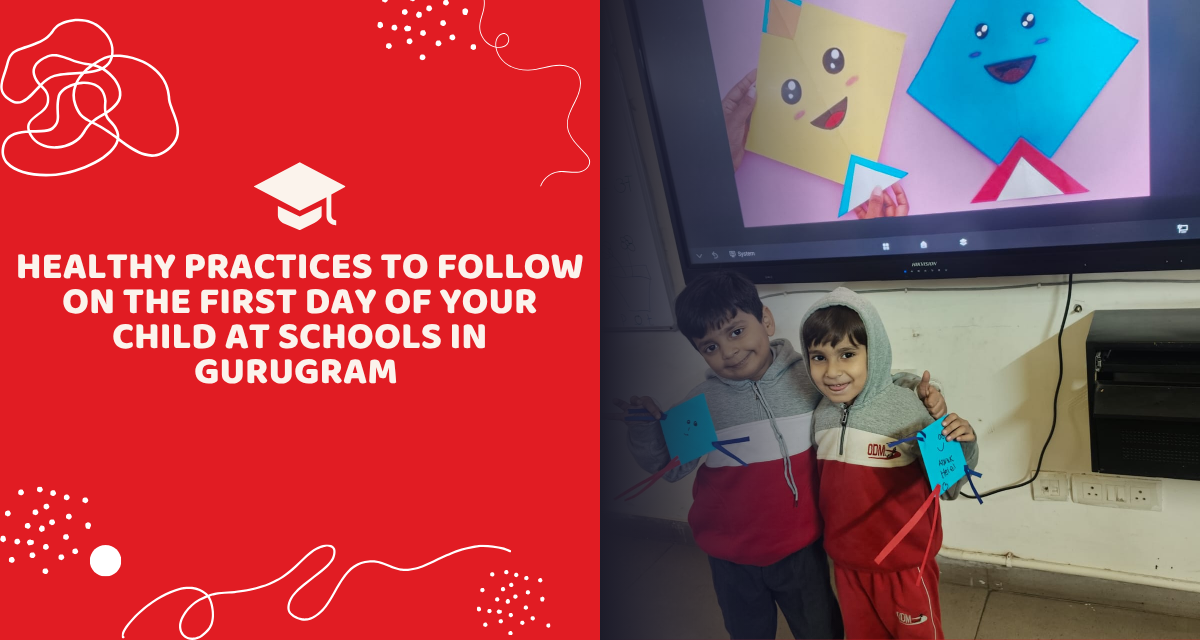
The night before the first school day, most parents in Gurugram find themselves caught between excitement and quiet anxiety. Uniforms are ironed. Water bottles are filled. And yet, something feels unsettled. That restlessness is completely natural, because the first day carries weight far beyond logistics. It sets the emotional and physical tone for everything that follows.
At ODM International School, we have walked alongside thousands of families through this milestone. What we have observed, again and again, is that children who thrive on day one at schools in Gurugram tend to share a common trait: their parents arrived prepared. Not just with stationery and snacks, but with healthy habits already in place and a sense of calm that their child could lean on.
Begin the Morning With Intention, Not Urgency
A rushed morning creates an anxious child. Schools in Gurugram typically have early start times, which means families need to gently restructure their morning routines at least a week before school begins. This is not about military discipline. It is about creating calm through predictability, so that the morning of the first day does not feel foreign or frantic.
Wake your child 15 to 20 minutes earlier than necessary. Use that buffer for something unhurried: a warm glass of milk, a quiet conversation, or even just sitting together at the table. Children are extraordinarily attuned to parental energy. When a parent is rushing or visibly stressed, the child absorbs that unease long before the school gate comes into view.
Nutrition That Fuels, Not Just Fills
Breakfast on the first day deserves real thought. Avoid high-sugar cereals or processed snacks that spike energy and then crash it within two hours. Instead, consider packing the following:
Complex carbohydrates like oats, whole wheat toast, or parathas with ghee provide sustained energy through the morning
Protein from eggs, paneer, or dahi supports concentration and helps regulate mood
A piece of fruit offers natural sugars paired with fibre and is easy for young stomachs to digest
Adequate hydration means at least one full glass of water before leaving home, not just a bottle tucked in the bag
The connection between gut health and emotional regulation is well-documented in child development research. A nutritious breakfast is not just fuel for the body; it equips the nervous system to handle the novelty and stimulation of a new environment with more steadiness.
The Drop-Off: Shorter Goodbyes, Stronger Foundations
One of the most counterintuitive truths about the first day at schools in Gurugram is this: prolonged goodbyes do not comfort children. They signal that the parent is uncertain, and uncertain parents tend to make uncertain children.
Keep the farewell warm, brief, and consistent. Bend to your child's level, offer a hug, and say something specific and reassuring like "I'll be right here when the bell rings." Then leave with confidence. Lingering, even with the best intentions, amplifies separation anxiety rather than soothing it. Children are far more resilient than we sometimes give them credit for, and a clean, loving goodbye helps them step forward.
If your child attends a school that allows short transition periods, use them purposefully. Introduce them to a teacher, point to something interesting in the classroom, and let curiosity take over from there.
Physical Health Protocols Worth Prioritising
Gurugram's climate in late June and early July, when most academic sessions begin, can be genuinely demanding. The heat and humidity place real stress on young bodies that are simultaneously adjusting to new schedules, new nutrition, and longer hours away from the comfort of home.
Practical Health Habits for the First Few Weeks
Small habits, done consistently, make a significant difference during this period of adjustment:
Insist on covered water bottles refilled at home each morning, not just at the school water station, as hygiene levels at shared taps can vary
Clip nails and check for lice before school begins, because shared spaces accelerate the spread of minor infections far more quickly than parents expect
Send a clean handkerchief along with hand sanitiser, since physical wiping removes surface bacteria more effectively than sanitiser alone
Keep the tiffin light and familiar on the first day. This is not the moment for adventurous new dishes; send food your child knows, loves, and can open without help
Choose breathable fabrics suited to the weather, because children overheat quickly when they are nervous, and physical discomfort compounds emotional unease
These are not trivial details. Schools in Gurugram that serve large student populations face real challenges with communicable illnesses during the early weeks of a new term. The hygiene habits your child builds at home become the first and most reliable line of defence.
Emotional Wellness Is Physical Wellness
There is no clean separation between emotional and physical health in early childhood. A child who is anxious holds that tension in the body: in the stomach, in the throat, in disturbed sleep the night before. Addressing the emotional landscape of the first day is, therefore, a healthy practice in every meaningful sense.
Talk about school in the days leading up, not to rehearse answers or manufacture excitement, but simply to open conversations. Ask your child what they are curious about. What they are looking forward to. What they are not sure about. Let them voice the uncertainty without rushing to fix it or paper over it with cheerful reassurances.
On the morning itself, try not to load the day with too many expectations. Phrases like "Make lots of friends!" or "You're going to love it!" are well-meaning but can add quiet pressure. Something like "Let's see what today brings" is kinder, more honest, and leaves room for a mixed experience, which is perfectly okay.
Post-School Recovery: The Hour That Matters Most
When your child returns home from their first day at one of the schools in Gurugram, resist the impulse to begin the debrief immediately. Give them 20 to 30 minutes of unstructured quiet: a snack, some water, the freedom to simply decompress before any questions are asked.
Children often process new experiences more slowly. The stories, the confusions, the small triumphs and awkward moments tend to surface in their own time. A parent who is present but not pressing creates exactly the kind of space where genuine sharing can happen naturally.
Pay attention to body language as much as words. Changes in appetite, unusual clinginess, or repeated complaints of stomach aches are often forms of communication when language has not yet caught up with the experience.
Sleep: The Foundation Everything Else Rests On
Many parents in Gurugram treat sleep as whatever is left after everything else gets done. That habit needs to shift before school begins. Children between the ages of 5 and 12 require 9 to 11 hours of sleep each night. Not as a rough guideline, but as a genuine biological need for learning, memory consolidation, and the kind of emotional steadiness that makes a new school environment feel manageable rather than overwhelming.
Start a bedtime routine at least five days before school opens. Dim the lights after 8 PM. Reduce screen exposure in the hour before bed. A consistent wind-down ritual, whether that is a bedtime story, a short conversation about the day, or a few quiet minutes together, teaches the nervous system that rest is coming.
A well-rested child walks into schools in Gurugram with a fundamentally different experience than a tired one. Their attention holds longer, their resilience under stress is stronger, and they are far more socially available to connect with peers and teachers.
A Note to Parents: You Set the Tone
Your child will take their cues from you, far more than from the school building, the teacher's words, or the orientation brochure. The healthiest thing you can do on the first day is manage your own emotional state with honesty and quiet grace.
Feeling emotional is absolutely acceptable. Crying in the car on the way back is something many parents do, and there is no shame in it. What matters is that in front of your child, you channel that love into calm, confident support. Schools in Gurugram, such as ODM International School, are genuinely equipped to handle the full range of first-day experiences for children and parents alike.
Trust the process. Trust your child. And trust yourself, because you have prepared for this more than you realise.
Frequently Asked Questions
Q1. What should my child eat before the first day of school?
Prioritise a balanced breakfast with slow-releasing carbohydrates, a good source of protein, and a piece of fruit. Avoid sugary cereals or heavily fried foods that can cause sluggishness. Make sure your child drinks at least a full glass of water before leaving home, not just a sip.
Q2. How do I handle my child's separation anxiety at drop-off?
Keep the goodbye brief, warm, and confident. Avoid lingering or offering repeated reassurances, as that can unintentionally signal to your child that there is something to worry about. A specific, loving farewell followed by a calm, decisive departure is far more reassuring than a prolonged goodbye.
Q3. What are the most common health issues children face in the first week at school in Gurugram, and how can parents prepare?
Given Gurugram's climate during the school start season and the natural exposure that comes with large peer groups, children are most susceptible to throat infections, stomach upsets, and heat-related discomfort in the first few weeks. Parents can prepare by reinforcing good personal hygiene habits at home, such as clean handkerchiefs, trimmed nails, well-sealed water bottles, and familiar, easy-to-digest tiffin meals. Schools in Gurugram, such as ODM International School, maintain consistent sanitation protocols on campus, but the habits your child brings from home are the most effective protection.
Q4. How many hours of sleep does my school-going child need?
Children between the ages of 5 and 12 need 9 to 11 hours of sleep per night. Starting a consistent bedtime routine at least five to seven days before school opens gives their body clock enough time to adjust comfortably.
ODM International School,Gurugram
Author