Why is Personality Development as Important as Academic Growth at Schools in Gurugram
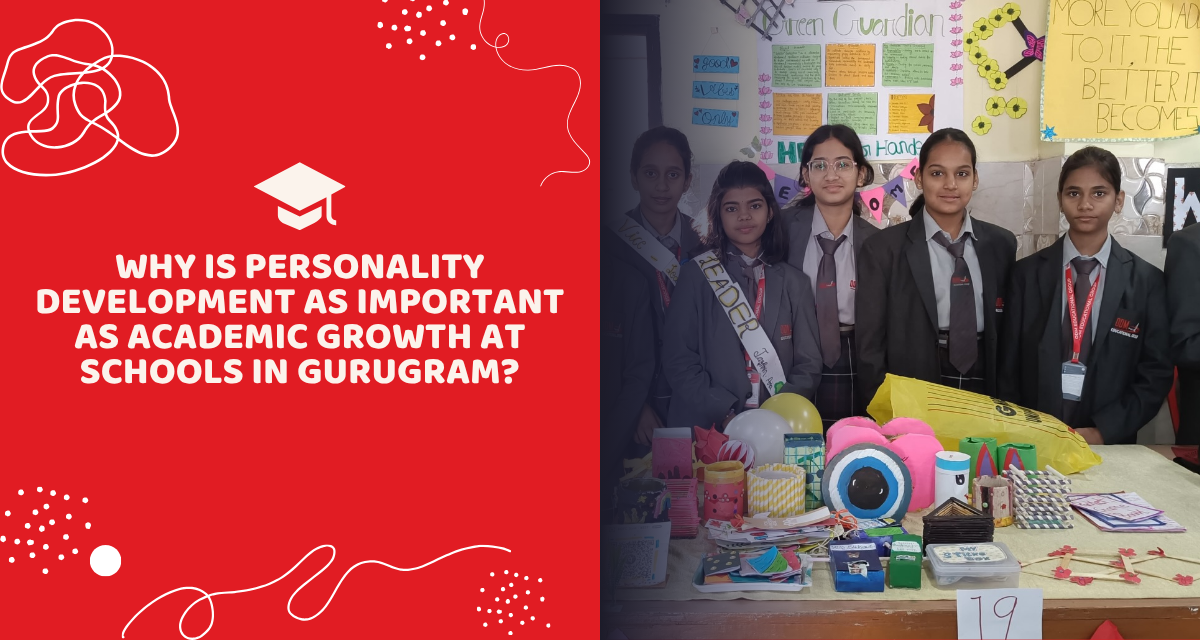
Every parent wants to see strong marks, which is why many families researching Schools in Gurugram often begin by comparing academic results and board performance. Strong marks signal effort, comprehension, and discipline. Qualities that genuinely matter. But ask any hiring manager, entrepreneur, or community leader what made the difference in their own journey, and few will say it was their grade in tenth-standard mathematics.
What actually propels people forward, in careers, in relationships, in life, is a combination of who they are and how they engage with the world around them. Communication skills. Emotional intelligence. The ability to lead under pressure or follow with grace. These are not innate gifts reserved for a lucky few. They are learned, practised, and refined, ideally from a young age, inside schools that understand their value.
Schools in Gurugram, sitting at the intersection of a globally connected corporate culture and a deeply rooted Indian value system, carry a particular responsibility here. The children studying in these institutions will compete and collaborate on international stages. Academic preparation alone will not be enough.
What Personality Development Actually Means in a School Setting
It is tempting to reduce personality development to a few extra-curricular checkboxes, a drama performance here, a debate competition there. The reality is far richer.
Personality development, at its core, is the deliberate cultivation of self-awareness, interpersonal competence, and emotional maturity. It is the work of helping a child understand not just what they think, but how they think and why they react the way they do. Done well, it produces young adults who are curious rather than anxious, assertive rather than aggressive, and collaborative rather than merely competitive.
Reputable schools in Gurugram are beginning to treat this not as an optional add-on but as something worth scheduling, scaffolding, and taking seriously, much like any core subject on the timetable.
Why Personality Development for Students Matters
The evidence, both anecdotal and research-backed, is compelling. Students who develop strong interpersonal skills alongside academic competence consistently show higher resilience when they encounter failure. They adapt more readily to new environments, which is a critical trait in an era of rapidly shifting industries and global mobility.
There is also the matter of mental health. A child who has been given tools for self-expression, who has practised handling conflict constructively, and who has experienced the quiet confidence that comes from contributing meaningfully to a team, is far better equipped to navigate the psychological pressures of adolescence and young adulthood.
Schools in Gurugram serve students from diverse socio-economic and cultural backgrounds. Personality development programmes, when designed inclusively, also build cross-cultural empathy. That is a skill that is genuinely rare and genuinely valuable, and one that no textbook chapter can manufacture on its own.
Activities That Build Character Alongside Curriculum
The most effective approach to personality development does not sit in isolation from academic life. It is woven through it. Here are five activity areas that leading schools use to develop the whole student:
Public Speaking and Debate Clubs: These do far more than teach students to project their voice. Regular participation in structured argumentation develops logical reasoning, the ability to see multiple perspectives, and the composure to hold a position under pressure or revise it gracefully when presented with new evidence. Shy students who would never raise a hand in class often discover a voice they did not know they had.
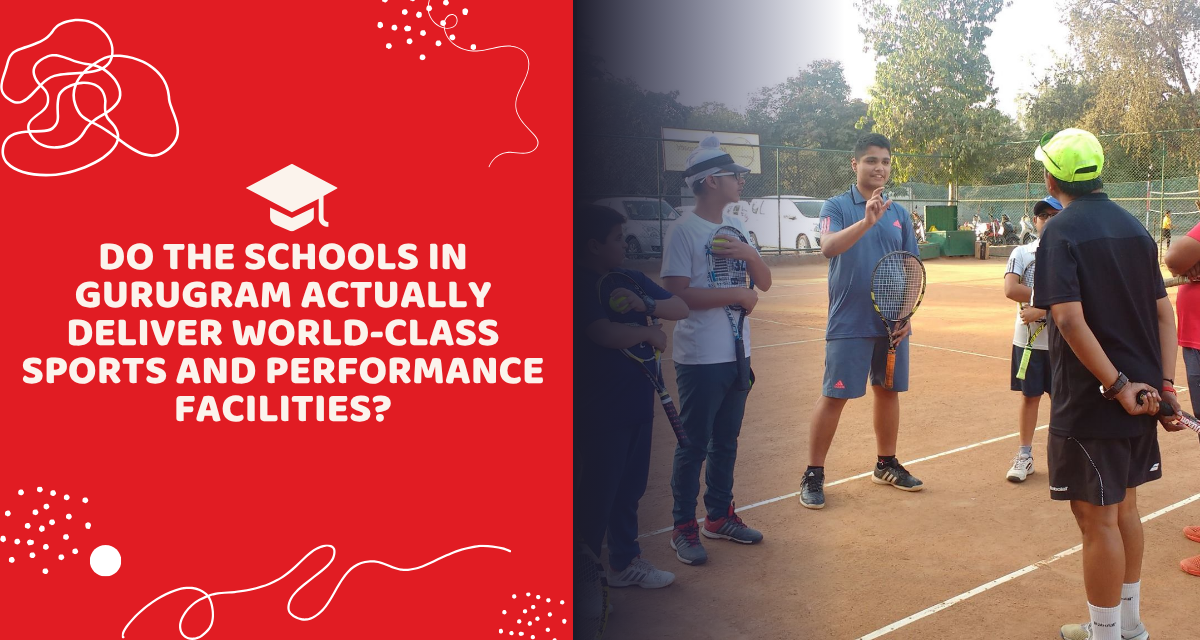
Team Activities and Sports: The lessons of sport, handling defeat, sharing credit for victory, adapting strategy mid-game, and trusting teammates are difficult to replicate inside a classroom. Physical team activities build the kind of collaborative instinct that becomes indispensable in professional environments.
Volunteering and Social Outreach: When students step outside the school gates to work with their communities, whether through environmental initiatives, literacy drives, or care for the elderly, something shifts in them. Abstract values like empathy and social responsibility become lived experience. This is character formation at its most genuine.
Creative Arts: Theatre, visual arts, music, and creative writing give students permission to explore emotional complexity safely. They also develop the capacity for original thinking, a quality that is increasingly prized as automation handles more of the routine cognitive work that once filled professional life.
Time Management and Organisation Skills: Not all personality development is interpersonal. The ability to set priorities, maintain focus across competing demands, and meet commitments reliably is foundational to almost every other form of success. Structured workshops and project-based learning that demands planning and self-governance build these habits early.
Balancing Academics and Personality Development: Not a Trade-Off
The concern many parents understandably have is that time devoted to personality development is time stolen from academics. This framing sets up a false competition.
Research consistently shows that students who participate in structured co-curricular activities do not underperform academically. They typically do better. The discipline required to manage rehearsal schedules, meet project deadlines, and contribute to team goals translates directly into better study habits and greater motivation in the classroom.
The best schools in Gurugram have understood this for some time. Their timetables are built with intention, ensuring that students have dedicated space for academic rigour and for the broader human development that makes that rigour meaningful. The two reinforce each other rather than compete.
This balance also requires faculty who see their role as broader than subject delivery. A teacher who notices a quiet student's potential and encourages them to join a debate team, or who structures group projects in ways that draw out different strengths, is doing personality development work without ever formally naming it.
ODM International School's Approach
At ODM International School, the conviction is straightforward: academic achievement and personal growth are not parallel tracks but a single, integrated journey. The school's curriculum is designed so that students are perpetually developing both through classroom instruction, structured activities, mentorship relationships, and the simple daily experience of belonging to a community that expects them to contribute and genuinely cares how they are doing.
Among the better schools in Gurugram, the most meaningful differentiator is rarely infrastructure or syllabus coverage alone. It is the culture, what the institution genuinely values, how adults speak to students, what behaviours are modelled and rewarded. ODM International School invests in that culture deliberately, and it shows in the students who graduate from it.
Conclusion
A student who graduates with excellent marks and the confidence to lead, the empathy to listen, and the discipline to follow through is not simply the product of a lucky household. They are the product of a school that took complete responsibility for a child's development.
Schools in Gurugram have the resources, the talent, and the vision to offer exactly that kind of education. The question parents should be asking when they evaluate options is not only "How do students perform academically?" but equally, "Who does this school help students become?"
At ODM International School, the answer to both questions is one that the school is proud to stand behind.
FAQs:
Q: At what age should personality development begin for children?
Early is always better. Structured support from around age six works well when children begin engaging socially in more complex ways and forming a clearer sense of self.
Q: How do schools in Gurugram typically integrate personality development into their programmes?
Most schools in Gurugram weave it through co-curricular activities, mentorship, and everyday classroom culture rather than treating it as a standalone subject.
Q: Will spending time on personality development hurt my child's academic performance?
Research suggests the opposite. Students involved in structured activities outside academics tend to develop stronger time management and motivation, both of which support better results in the classroom.
Q: What role do parents play in supporting their child's personality development?
A meaningful one. How failure is handled at home, how feelings are discussed, and how effort is acknowledged all reinforce what schools work to build.
Q: Is personality development relevant for academically strong students too?
Absolutely. A student who excels in studies but struggles with communication or stress will still face real limitations. Personality development is foundational, not remedial, and every student benefits from it.
ODM International School,Gurugram
Author